Comment Acheter de la Cryptomonnaie avec une Carte Bancaire : Un Guide pour Débutants
Introduction : Le moyen le plus simple d'entrer sur le marché des cryptos
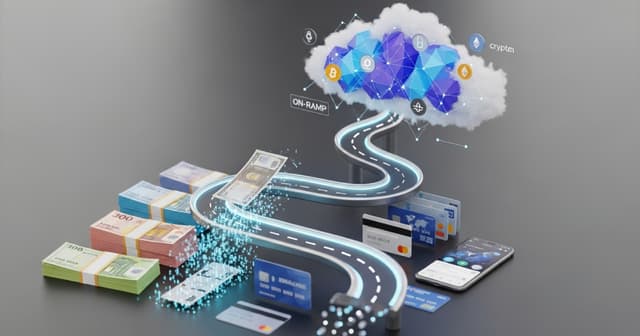
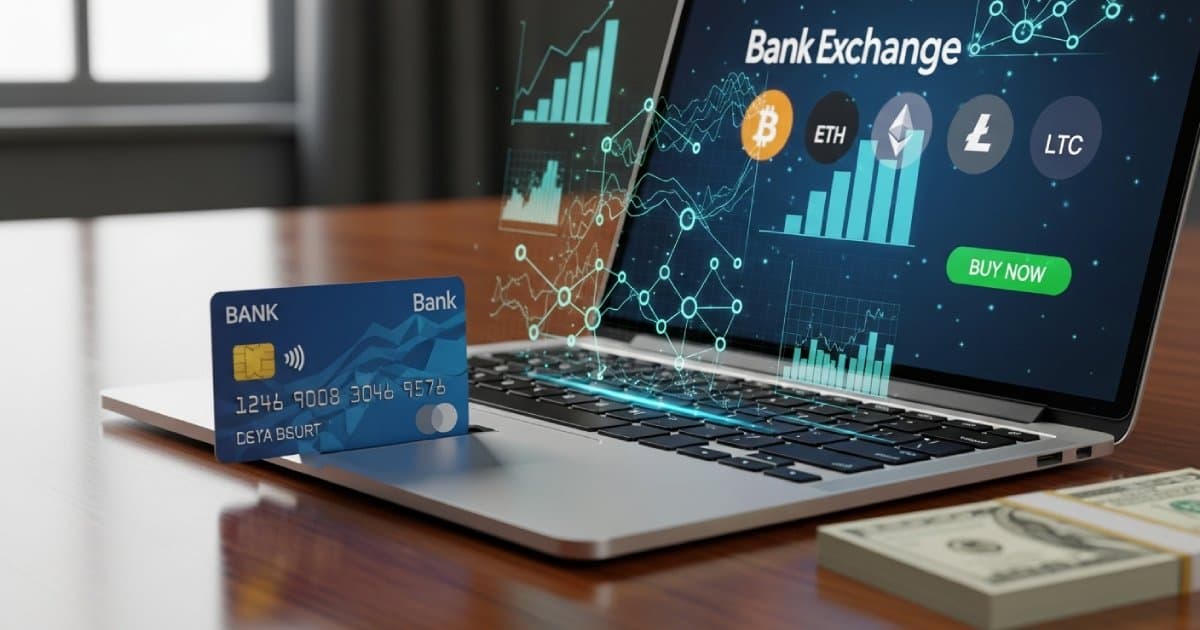
Pour de nombreux nouveaux venus dans le monde des actifs numériques, la première question est souvent la plus pratique : comment puis-je réellement acheter de la cryptomonnaie ? Bien qu'il existe plusieurs méthodes, l'utilisation d'une carte bancaire (débit et crédit) reste l'une des options les plus populaires, simples et accessibles. Elle s'appuie sur un système de paiement que presque tout le monde connaît, rendant l'entrée sur le marché des cryptos moins intimidante. Ce guide fournira une procédure complète, étape par étape, sur la manière d'acheter en toute sécurité et efficacement des cryptomonnaies comme le Bitcoin (BTC) et l'Ethereum (ETH) en utilisant votre carte bancaire.
L'attrait principal de l'utilisation d'une carte est la rapidité et la commodité. Contrairement aux virements bancaires, qui peuvent prendre plusieurs jours ouvrables pour être compensés, les transactions par carte sont généralement traitées quasi instantanément. Cela signifie que vous pouvez saisir les opportunités du marché sans délai. La plupart des grandes plateformes d'échange de cryptomonnaies ont intégré les paiements par carte directement dans leurs plateformes, créant une expérience utilisateur fluide qui ressemble aux achats en ligne quotidiens. Cependant, cette commodité a souvent un coût, que nous explorerons en détail.
Avantages et inconvénients de l'utilisation d'une carte bancaire pour les achats de crypto
Avant de saisir les détails de votre carte, il est crucial de peser les avantages et les inconvénients de cette méthode de paiement. Comprendre ces facteurs vous aidera à décider si c'est le bon choix pour votre stratégie d'investissement et votre situation financière.
Avantages
- Rapidité : Les transactions par carte sont généralement traitées en quelques minutes, vous permettant d'acquérir des cryptomonnaies presque instantanément. C'est un avantage significatif dans un marché volatil où les prix peuvent changer rapidement.
- Commodité : L'utilisation d'une carte de débit ou de crédit est un processus familier. Il n'est pas nécessaire d'apprendre à initier un virement bancaire ou à naviguer dans des systèmes de paiement tiers complexes.
- Accessibilité : Presque toutes les grandes plateformes d'échange de cryptomonnaies conviviales acceptent les paiements par carte bancaire, ce qui en fait une option largement disponible pour les utilisateurs du monde entier.
Inconvénients
- Frais plus élevés : C'est l'inconvénient le plus important. Les achats par carte entraînent généralement des frais plus élevés (souvent de 2 à 5 %) par rapport aux virements bancaires. Ces frais couvrent les coûts de traitement des paiements pour la plateforme d'échange et le réseau de cartes.
- Limites d'achat : Pour atténuer le risque de fraude, les plateformes d'échange imposent souvent des limites d'achat quotidiennes ou hebdomadaires plus basses pour les transactions par carte par rapport aux virements bancaires.
- Blocages bancaires potentiels : Certaines institutions financières se méfient des cryptomonnaies et peuvent bloquer ou signaler automatiquement les transactions vers les plateformes d'échange de crypto. Vous pourriez avoir besoin de contacter votre banque pour autoriser le paiement.
- Risques liés à la carte de crédit : Acheter de la crypto avec une carte de crédit, c'est essentiellement s'endetter pour investir dans un actif volatil. Cela peut également entraîner des taux d'intérêt élevés et être traité comme une 'avance de fonds' par l'émetteur de votre carte, ce qui s'accompagne de frais encore plus élevés et d'une accumulation immédiate d'intérêts.
Guide étape par étape : Acheter de la crypto avec votre carte
Prêt à faire votre premier achat ? Suivez ces étapes détaillées pour acheter de la cryptomonnaie en toute sécurité avec votre carte bancaire.
Étape 1 : Choisissez une plateforme d'échange de cryptomonnaies réputée
Une plateforme d'échange de cryptomonnaies est une plateforme en ligne où vous pouvez acheter, vendre et échanger des actifs numériques. Choisir la bonne est votre première et plus importante étape. Recherchez une plateforme avec une solide réputation en matière de sécurité, des frais raisonnables, une large sélection de cryptomonnaies et une interface utilisateur intuitive. Les plateformes bien connues qui prennent en charge les achats par carte incluent Coinbase, Binance, Kraken et KuCoin. Faites toujours vos propres recherches pour trouver la plateforme qui correspond le mieux à vos besoins.
Étape 2 : Créez et vérifiez votre compte (KYC)
Une fois que vous avez sélectionné une plateforme, vous devrez créer un compte. Cela implique généralement de fournir votre adresse e-mail et de définir un mot de passe fort et unique. Pour se conformer aux réglementations mondiales de lutte contre le blanchiment d'argent (AML) et le financement du terrorisme (CTF), toutes les plateformes réputées exigent que les utilisateurs complètent un processus de vérification Know Your Customer (KYC). Cela implique généralement de soumettre une photo d'une pièce d'identité émise par le gouvernement (comme un passeport ou un permis de conduire) et parfois un justificatif de domicile (comme une facture de services publics). Bien que cela puisse sembler intrusif, le KYC est une mesure de sécurité cruciale.
Étape 3 : Ajoutez votre carte bancaire comme moyen de paiement
Une fois votre compte vérifié, accédez à la section 'Paramètres' ou 'Moyens de paiement' de votre profil. Vous y trouverez une option pour ajouter un nouveau moyen de paiement. Sélectionnez 'Carte de crédit/débit' et saisissez soigneusement les détails de votre carte : le numéro à 16 chiffres, la date d'expiration et le code CVV au dos. Certaines plateformes peuvent effectuer un petit prélèvement temporaire pour vérifier que la carte est valide.
Étape 4 : Accédez à la section d'achat
Avec votre carte liée, rendez-vous dans la zone d'achat principale de la plateforme. Elle est souvent intitulée 'Acheter des cryptos', 'Acheter/Vendre' ou 'Trade'. Sur cette page, il vous sera demandé de sélectionner votre moyen de paiement. Assurez-vous que votre carte bancaire nouvellement ajoutée est sélectionnée.
Étape 5 : Sélectionnez votre cryptomonnaie et entrez le montant
Voici la partie excitante. Choisissez la cryptomonnaie que vous souhaitez acheter dans la liste déroulante, comme le Bitcoin (BTC) ou l'Ethereum (ETH). Vous pouvez ensuite entrer le montant que vous souhaitez dépenser dans votre monnaie fiduciaire locale (par exemple, 100 EUR) ou la quantité de crypto que vous souhaitez acquérir (par exemple, 0.002 BTC). La plateforme calculera automatiquement la conversion en fonction du prix actuel du marché.
Étape 6 : Révisez et confirmez votre transaction
Avant de finaliser l'achat, un écran de confirmation apparaîtra. C'est une étape critique. Examinez attentivement tous les détails : la quantité de crypto que vous achetez, le taux de change, les frais de traitement et le montant total qui sera débité de votre carte. Les prix peuvent fluctuer, donc la plupart des plateformes bloquent le prix pour une courte période (par exemple, 30-60 secondes). Si vous êtes satisfait des détails, confirmez l'achat. Votre banque peut exiger une étape de vérification supplémentaire via son application ou un SMS (3D Secure) pour autoriser le paiement.
Comprendre les frais impliqués
Il est essentiel d'être conscient des coûts. Lorsque vous achetez de la crypto avec une carte, vous rencontrerez généralement une combinaison de frais. La plateforme d'échange facture ses propres frais de service pour faciliter la transaction. En plus de cela, le processeur de paiement (comme Visa ou Mastercard) prend également une part. Ces frais combinés peuvent varier de 1,8 % à plus de 5 %, selon la plateforme et votre emplacement. Si vous utilisez une carte de crédit, vérifiez si votre émetteur la traite comme une avance de fonds, ce qui ajoute des frais supplémentaires et des intérêts immédiats.
Meilleures pratiques de sécurité lors de l'achat de crypto
Votre sécurité financière est primordiale. Activez toujours l'authentification à deux facteurs (2FA) sur votre compte de plateforme d'échange, de préférence en utilisant une application d'authentification comme Google Authenticator. Soyez vigilant contre les escroqueries par hameçonnage (phishing) — ne cliquez jamais sur des liens suspects dans les e-mails ou les messages, et vérifiez toujours que vous êtes sur le site web officiel et correct de la plateforme. Évitez d'utiliser le Wi-Fi public pour les transactions.
Que faire après l'achat : Sécuriser votre crypto
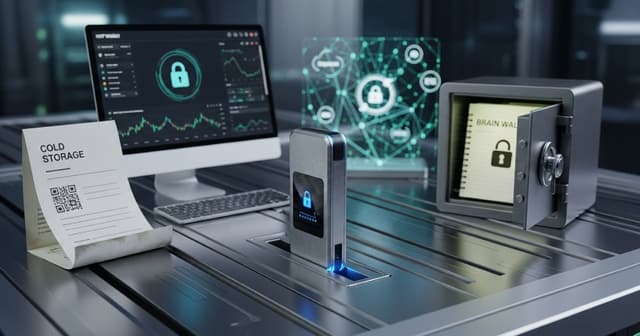
Une fois l'achat terminé, la cryptomonnaie apparaîtra dans votre portefeuille de la plateforme d'échange. Bien que pratique pour le trading, il n'est pas recommandé de laisser de grandes quantités de crypto sur une plateforme à long terme, car les plateformes peuvent être la cible de pirates. Pour une sécurité renforcée, envisagez de déplacer vos actifs vers un portefeuille de crypto personnel. Un 'hot wallet' est basé sur un logiciel et connecté à Internet, tandis qu'un 'cold wallet' (ou portefeuille matériel) est un appareil physique conservé hors ligne, offrant le plus haut niveau de sécurité pour le stockage à long terme. Des marques comme Ledger et Trezor sont des choix populaires pour les portefeuilles matériels.
Conclusion : L'achat de crypto par carte est-il fait pour vous ?
Acheter de la cryptomonnaie avec une carte bancaire est une excellente porte d'entrée dans l'espace des actifs numériques. Sa rapidité et sa commodité inégalées le rendent idéal pour les débutants et pour ceux qui cherchent à faire de petits achats rapides. Cependant, les utilisateurs doivent être conscients des frais plus élevés par rapport à d'autres méthodes comme les virements bancaires. En choisissant une plateforme réputée, en suivant les meilleures pratiques de sécurité et en comprenant les coûts impliqués, vous pouvez faire votre premier pas dans le monde de la cryptomonnaie en toute confiance et sécurité.
Questions fréquemment posées
Oui, il est généralement sûr d'acheter de la crypto avec une carte bancaire, à condition d'utiliser une plateforme d'échange de cryptomonnaies réputée et sécurisée. Ces plateformes utilisent le cryptage et des mesures de sécurité pour protéger vos données. Activez toujours l'authentification à deux facteurs (2FA) sur votre compte pour une couche de sécurité supplémentaire.
Les frais pour l'achat de crypto avec une carte bancaire varient généralement de 2 % à 5 % du montant de la transaction. Ces frais sont une combinaison des frais de service de la plateforme et des frais du processeur de paiement (par exemple, Visa, Mastercard). Ces frais sont plus élevés que ceux des virements bancaires.
Les banques refusent parfois les transactions liées aux cryptomonnaies en raison de leurs politiques internes de gestion des risques. Elles peuvent signaler l'achat comme potentiellement frauduleux ou avoir une politique générale contre les transactions de crypto. Si cela se produit, vous devrez peut-être appeler votre banque pour pré-autoriser la transaction.
Une carte de débit utilise les fonds directement de votre compte bancaire. Un achat par carte de crédit est un prêt de l'émetteur de la carte. Soyez prudent avec les cartes de crédit, car certains émetteurs traitent les achats de crypto comme des 'avances de fonds', qui s'accompagnent de frais plus élevés et commencent à accumuler des intérêts immédiatement. L'utilisation d'une carte de débit est généralement plus simple.
Oui, pratiquement toutes les plateformes d'échange de cryptomonnaies réglementées vous demandent de compléter un processus de vérification Know Your Customer (KYC) avant de pouvoir lier une carte bancaire et acheter de la crypto. C'est une exigence légale pour prévenir la fraude et le blanchiment d'argent.
Les transactions par carte bancaire sont l'un des moyens les plus rapides d'acheter de la crypto. L'achat est généralement traité quasi instantanément, et la cryptomonnaie devrait apparaître dans votre portefeuille de la plateforme en quelques minutes.
Certaines plateformes vous permettent de retirer des fonds vers une carte vérifiée, mais cette fonctionnalité est moins courante que l'achat par carte. Le plus souvent, vous devrez retirer des fonds vers un compte bancaire lié via un virement bancaire standard (comme SEPA).
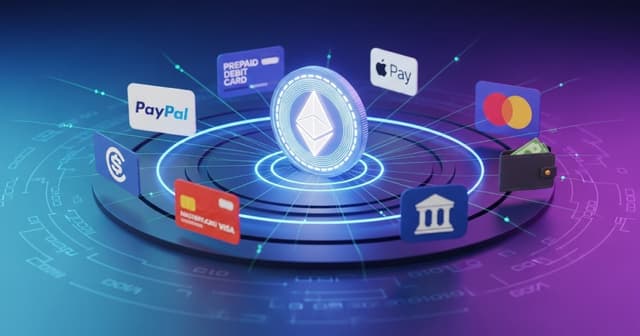
Les alternatives courantes incluent les virements bancaires (SEPA, virements électroniques), qui ont généralement des frais moins élevés mais sont plus lents (prenant 1 à 5 jours ouvrables). D'autres options incluent des services de paiement tiers comme PayPal, Skrill, ou des plateformes peer-to-peer (P2P) où vous achetez directement auprès d'un autre individu.